
The Nature of Luck in Gambling
Luck is often regarded as an enigmatic force that seems to play a pivotal role in the experience of gambling. In casinos, players frequently attribute their wins or losses to luck, believing that it can sway the outcome of games that are otherwise based on skill and strategy. Some enthusiasts enjoy exploring options like online pokies real money , which can add an exciting dimension to their luck-based strategies. The concept of luck varies significantly among individuals; some perceive it as an external force, while others believe it is a product of their own actions or choices. This duality makes luck a fascinating element of the gambling world, as it encompasses both the unpredictable nature of chance and the personal beliefs that shape one’s approach to gaming.
Moreover, the environment of a casino plays into the perception of luck. The glitzy lights, the sounds of spinning reels, and the thrill of the gaming tables create an atmosphere that can enhance the feeling of being ‘lucky.’ When players hit a winning streak, the ambiance often amplifies their excitement, leading them to attribute their success to a higher power or sheer fate. On the other hand, a string of losses can quickly turn someone’s perception of luck sour, prompting them to question their choices, the game’s fairness, or even their own luck. This psychological aspect can amplify the emotional highs and lows of the gambling experience.
In many respects, luck serves as a comforting notion for players. The belief that luck can turn in their favor offers hope, particularly in games that rely heavily on chance. This belief can also lead to a kind of escapism, providing players with a narrative that their fortunes can change at any moment. However, it’s essential to recognize that while luck is an integral part of gambling, it is often intertwined with strategy, knowledge of the game, and responsible gambling practices. Thus, while luck may influence the casino experience, it does not dictate it entirely.
The Role of Skill and Strategy
Contrary to the belief that luck is the sole determiner of success in casinos, skill and strategy also play significant roles in the gambling experience. In games like poker or blackjack, players employ various strategies to improve their odds. Understanding the rules, developing betting strategies, and practicing psychological tactics can give players an edge that mere luck cannot provide. This skill-based approach creates a more intellectually stimulating environment where players can significantly influence their outcomes.
Furthermore, seasoned gamblers understand that the element of skill can mitigate the randomness of luck. For instance, a player who comprehensively analyzes their opponents in poker may have a better chance of winning than someone who relies purely on luck. Similarly, in games with a degree of skill like video poker or blackjack, players can improve their chances by making calculated decisions based on statistical probabilities. This intersection between luck and skill underscores the complexity of the casino experience and highlights why some players choose to invest time in honing their skills.
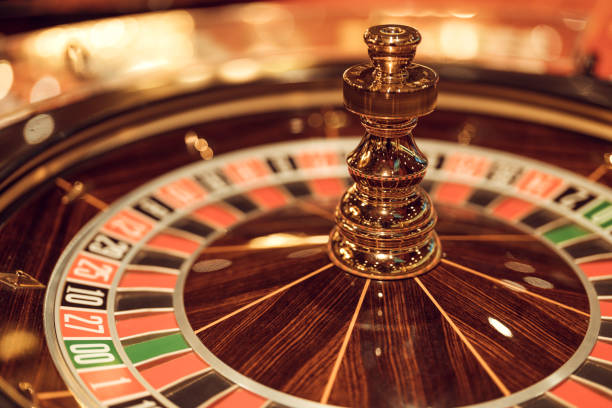
However, it’s essential to acknowledge that the balance of luck and skill varies by game type. While skill can enhance the player’s experience and potentially alter outcomes in some games, pure luck governs others, such as slot machines or roulette. Players must recognize this distinction when engaging in different forms of gambling, as it can greatly affect their expectations and overall enjoyment of the casino experience. Ultimately, understanding the synergy of luck and skill can lead to a more fulfilling and responsible approach to gaming.
The Psychological Impact of Luck on Players
The psychological influence of luck cannot be underestimated in the context of a casino. Players often experience emotional highs with wins, attributing their success to their lucky streaks, while losses can lead to frustration and disappointment. This emotional rollercoaster impacts how players approach their gaming sessions. For instance, those on a winning streak may become overconfident, believing they are on a roll, while those facing losses may fall into despair, convinced that they are cursed. These psychological factors significantly affect decisions made at the gaming table.
Moreover, the concept of ‘luck’ can lead to superstition among players. Many gamblers adopt rituals or habits that they believe will bring them good fortune. Whether it’s wearing a particular item of clothing, carrying a lucky charm, or sitting in the same chair at the gaming table, these behaviors illustrate how deeply intertwined luck is with the gambling experience. While these practices may seem irrational, they offer players a sense of control in an unpredictable environment, providing comfort and reinforcing belief in their lucky attributes.
The social aspect of luck also plays a crucial role in the casino experience. Players often share their stories of luck with others, creating a communal narrative that enhances the excitement of gambling. These shared experiences can elevate the thrill of the game, as players feed off each other’s energy, celebrating wins collectively and commiserating losses. This socialization reinforces the belief that luck is a tangible force within the casino environment, enhancing the overall experience of the game.
Luck and Casino Design
The concept of luck is not only a psychological phenomenon but also a carefully crafted element of casino design. Casinos are structured to create an environment that maximizes players’ feelings of luck and excitement. From the arrangement of games to the strategic placement of jackpots, every detail is designed to evoke a sense of winning potential. For instance, slot machines featuring vibrant graphics and enticing sound effects are intentionally placed in high-traffic areas to attract players and enhance the feeling that luck can be found around any corner.
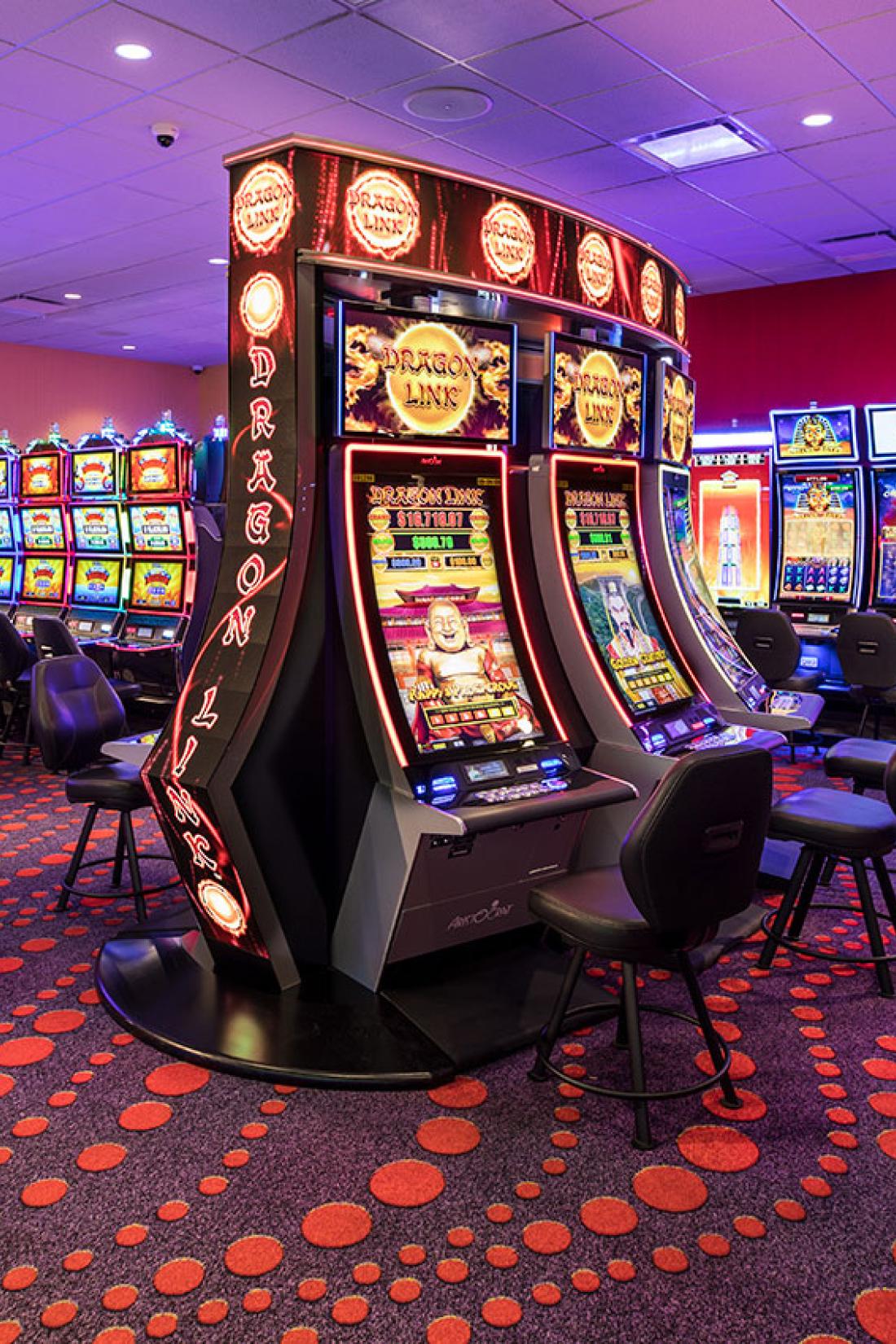
Additionally, casinos may use visual and auditory cues to enhance the perception of luck. The sounds of coins falling or the celebratory music that plays when someone wins can create an atmosphere charged with excitement. These sensory experiences can lead players to associate their gambling environment with good fortune, reinforcing their beliefs in luck. This careful orchestration plays into the wider narrative of luck, creating an immersive experience that encourages players to engage with the games more enthusiastically.
Moreover, marketing strategies often revolve around the idea of luck. Promotional messages highlight the possibility of winning big and the excitement of hitting the jackpot, further instilling the belief that luck is a powerful force within the casino. By focusing on stories of winners and memorable experiences, casinos cultivate a culture that celebrates luck, encouraging patrons to return in hopes of experiencing that same luck for themselves. This cyclical relationship between design, marketing, and player belief in luck plays a significant role in shaping the overall casino experience.
Your Path to an Enjoyable Casino Experience
When engaging with casinos, it’s essential for players to cultivate a balanced approach to luck and strategy. Understanding that while luck plays a role, incorporating skill and responsible gaming practices can significantly enhance the overall experience. Players should set realistic expectations and recognize that wins and losses are part of the journey. This mindset allows for a more enjoyable experience, minimizing frustration and maximizing the thrill of the game.
Additionally, players should embrace the social aspects of gambling. Sharing experiences and strategies with fellow players can create a richer, more enjoyable atmosphere. Engaging with others who share a passion for gaming can amplify feelings of luck and excitement, as communal experiences often heighten emotional investments in the game. This social interaction fosters a sense of belonging and allows players to learn from one another, leading to a more enriching experience overall.
Ultimately, recognizing the multifaceted nature of luck in the casino environment is key to a fulfilling experience. By balancing the elements of luck and skill, embracing social interactions, and maintaining realistic expectations, players can enjoy their time in casinos while cultivating a responsible approach to gambling. Engaging with the casino world in an informed, balanced manner can transform the experience from a mere game of chance into an exciting journey filled with potential and camaraderie.